Bitcoin Needs a Weekly Close Above Key Support in 2026 to Keep the Crypto Bull Run Alive
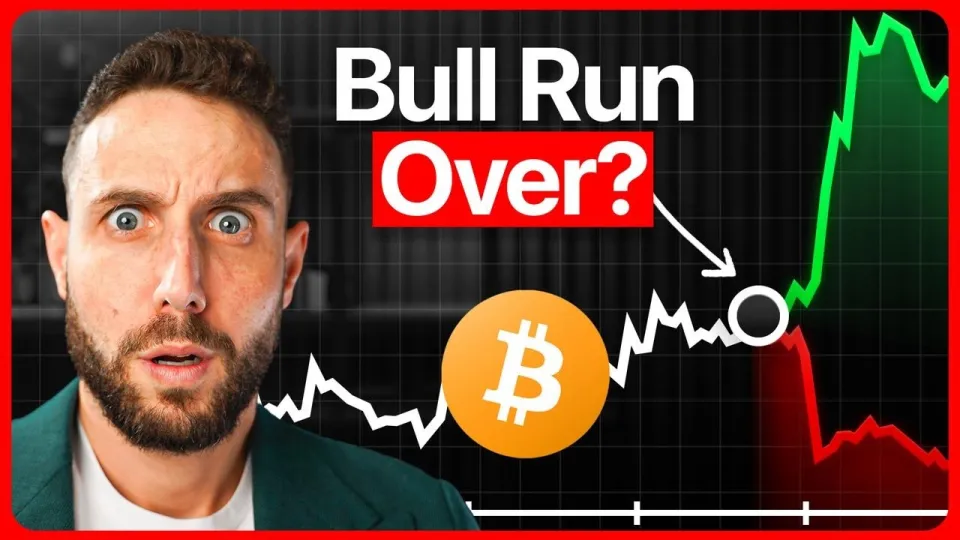
Video: Bitcoin Has 2 DAYS to Save the Crypto Bull Run
Want articles like this for your own video to promote it on YouTube and Google? Order them through the Telegram bot @sat_sit_bot. The bot writes and publishes the articles itself (with your YouTube video embedded) on popular topical websites (no ads). Your first 50 articles are free.
· based on the channel EllioTrades
Key takeaways
- The weekly candle close is the single most important trigger for BTC's next move, not intraday price action.
- The bull case stays intact as long as Bitcoin holds its higher-time-frame support on a closing basis.
- A confirmed breakdown would shift the plan from buying dips to protecting capital and waiting.
- Altcoins are treated as a second step: they only get bought after BTC support is confirmed.
- Traders are watching a possible sweep of the 97K area as the stress test for the current range.
Bitcoin's next move will be decided by the weekly close, not by intraday noise: if BTC holds its higher-time-frame support into the candle close, the crypto bull run stays intact and dips remain buyable; a confirmed close below it flips the plan toward capital protection. That is the framework EllioTrades lays out in his breakdown, and it is the same logic any trader can apply before adding risk. Anyone who wants to position around that outcome can use the Kalshi market access page to trade the scenario directly.
Why the weekly close matters more than any single candle
A weekly close is the market's verdict, because it aggregates five days of positioning, liquidations and spot flows into one number that funds and systematic traders actually use. Intraday wicks get faded; closes get respected. In practice this means three things for a Bitcoin trade right now:
- A close above support keeps the higher-low structure valid and leaves the uptrend in control.
- A close right at support is neutral — it signals indecision and argues for smaller size, not a full allocation.
- A close below support invalidates the structure and turns the previous floor into resistance.
The reason the deadline feels urgent is mechanical: the weekly candle only resolves once, so every hour of the week is a negotiation toward that single print. Traders who pre-position before the close are paid if the level holds and stopped quickly if it does not — which is why the level, not the headline, is the trade.
The Bitcoin levels that define the bull case
Bitcoin's bull case rests on a simple condition: price must keep closing above the support zone that produced the most recent higher low. Around that zone, the practical map looks like this:
- Support hold: a weekly close above the zone keeps the uptrend alive and makes the next dip a buying opportunity rather than a warning.
- Support break: a decisive close below it puts the range low and then the 97K area in play as the next liquidity pocket to sweep.
- Reclaim: if price breaks and then reclaims the level within one or two candles, the breakdown is treated as a failed move and the bull case is reinstated.
A sweep of the 97K region is not the same as a trend change — it is the stress test. Liquidity below obvious lows is where stops sit, and markets often trade through that liquidity before choosing a direction. The distinction that matters is between a wick through support and a close through support.
What a confirmed breakdown would change
If Bitcoin closes below support and cannot reclaim it, the trading plan changes rather than the opinion. The sequence is:
- Stop adding to spot positions on the way down.
- Reduce leverage and raise the share of stablecoins in the portfolio.
- Wait for a weekly close back above the broken level before re-engaging.
- Keep altcoin exposure minimal until BTC prints that reclaim.
This is not a prediction of a multi-year bear market — it is risk management. A short, sharp correction and a long bear market look identical for the first two weeks, and the only way to tell them apart is to let the weekly close speak. Traders who insist on a directional opinion before the close usually pay for it with position size they cannot defend.
How altcoins fit into the plan
Altcoins are a second-order trade: they follow Bitcoin's resolution, they do not lead it. The order of operations is straightforward — confirm BTC support, then rotate into the strongest names.
- If BTC holds: look for altcoins that held their own higher-low structure during the pullback and are reclaiming short-term moving averages.
- If BTC breaks: altcoins bleed harder, and the correct position is cash, not a bargain hunt.
- Position sizing: treat altcoin entries as a fraction of the BTC allocation, because their drawdowns in a BTC-led flush are typically deeper.
One name that came up in the discussion around the video is Near, with viewers split on whether shorting it is the right call. That disagreement is the point: an altcoin short is a bet against beta in a market that is still deciding its direction, and it only works if the BTC breakdown is confirmed first.
Common doubts from traders right now
The most frequent objection is that a short bear market would make the next bull run weak — and that is a fair structural argument, since long, grinding corrections tend to build stronger bases. The counterpoint is that the current setup has not yet produced a bear market at all; it has produced a retracement, and one red week has flipped sentiment from euphoric to fearful. Sentiment is not a level.
A second recurring doubt is whether weekend price action can be trusted, given thinner liquidity and market makers stepping back. The honest answer is that weekend moves are informative about positioning but rarely decisive — which is exactly why the weekly close, not the weekend wick, is the trigger.
A third theme is timing: if Bitcoin rallies toward 100K and then pulls back, what counts as a buying opportunity? The workable definition is a retest of a broken level that holds on a daily and weekly close, not a fixed price target. Buying a number because it sounds cheap is not a plan; buying a confirmed retest is.
Where to trade and follow the plan
If you want to act on the levels discussed, these are the tools referenced in the breakdown:
- Kalshi — event markets, with a deposit and bonus offer through the link.
- Liquid — trading with a 10% discount on fees via the referral link.
- WEEX — deposit $100 and unlock up to $4,000 in bonuses.
- fomo — the public trading journal where positions are tracked openly.
- EllioTrades on X — the channel where level updates are posted first.
The bottom line for Bitcoin traders
The weekly close is the decision point: hold support and the crypto bull run continues with dips as opportunities; lose it and the plan shifts to defense until a reclaim. Bitcoin is trading a structure, not a narrative, and the difference between the two is measured in closes. EllioTrades frames the setup as a two-day window precisely because the market rewards preparation over prediction. Use the Kalshi page if you want to take a position on the outcome, and size every trade so that being wrong on one weekly candle costs you a fraction, not the account.
Questions & answers
Does one weekly close below support really end the bull run?
Not on its own. A single close below support is a warning, and the market often reclaims the level within one or two candles, which invalidates the breakdown. What changes the trend is a close below support followed by a failed reclaim, because that turns the old floor into resistance.
Should I wait for a Bitcoin dip to 100K or buy now?
A price target alone is not a signal. The workable approach is to buy a confirmed retest of a broken level that holds on daily and weekly closes, and to size positions so a deeper flush does not force you out. Chasing a round number because it sounds cheap tends to end badly.
Why do weekend moves in Bitcoin matter less than the weekly close?
Weekend liquidity is thinner and market makers often step back, so moves can be exaggerated and quickly reversed. Weekend action is useful for reading positioning, but the weekly candle close aggregates the full week and is what systematic and institutional traders actually respect.
Are altcoins worth buying before Bitcoin confirms support?
Generally no. Altcoins are higher-beta versions of the same trade and tend to fall harder when BTC breaks down. The cleaner sequence is to wait for BTC to hold its weekly support, then rotate into altcoins that kept their own higher-low structure during the pullback.
Source: Bitcoin Has 2 DAYS to Save the Crypto Bull Run · Markdown version